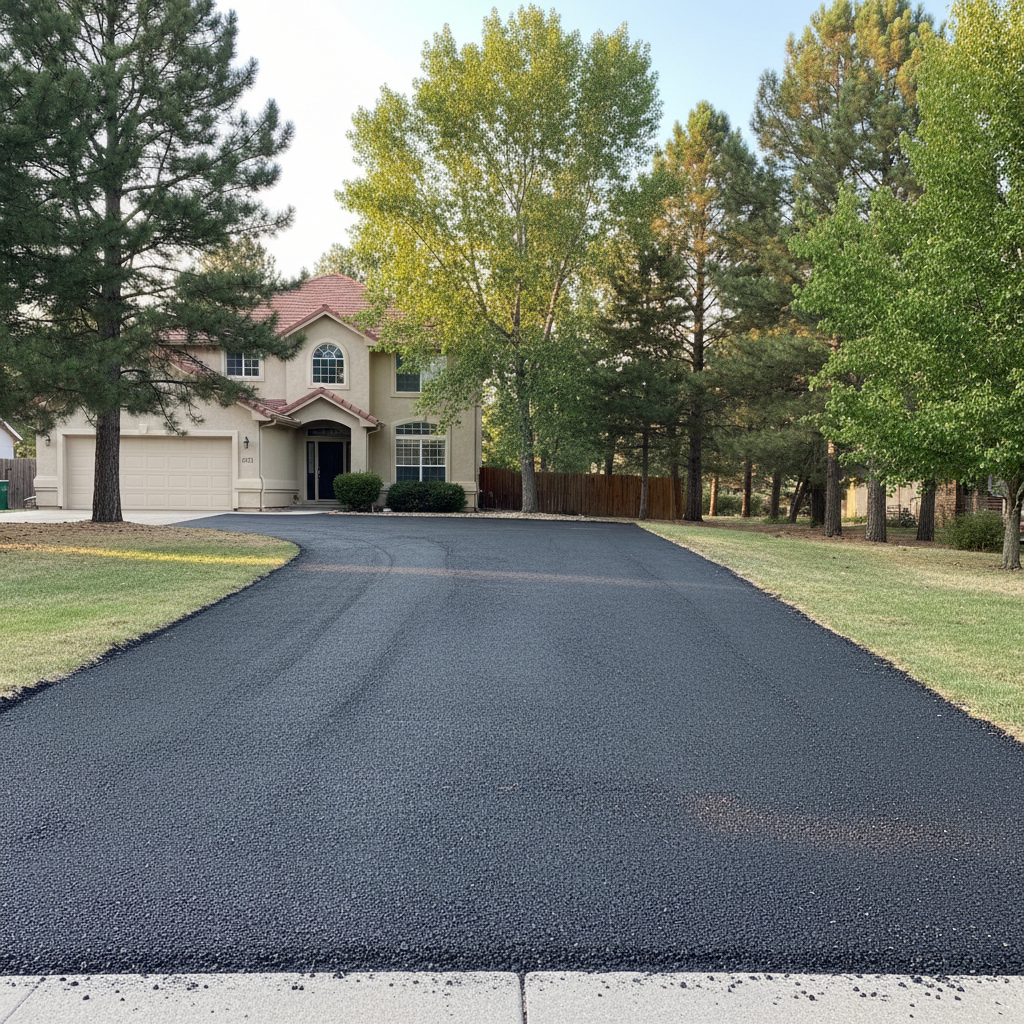
So, you’ve put money into asphalt milling for your place here in Flagstaff. Maybe it was for a new driveway, a parking lot, or even a private road. That’s a smart move, really, especially when you think about cost and being good to the environment. But getting the job done? That’s only half the story. If you want that milled surface to actually stick around, you’ve got to give it a little attention. I’ve seen countless projects over my career, and I can tell you, proper maintenance is what separates a surface that lasts from one that just falls apart way too soon.
Make Your Milled Asphalt Last Longer
The single most important thing you can do to extend the life of your milled asphalt is to make sure it’s sealed right. When we mill and then compact asphalt, we’re basically building a new, solid base. But that base? It’s still porous. Here in Flagstaff, with our intense sun, those crazy freeze-thaw cycles, and heavy snow loads, leaving it unsealed is just asking for trouble. Think of it like painting your house – you wouldn't leave bare wood exposed to the elements, would you? It’s the same idea.
You’ll want to put down a good quality sealcoat. This isn’t just about making it look nice, though it does that; it’s a protective shield against UV rays, water getting in, and even chemicals like oil and gas. I usually suggest waiting about 6 to 12 months after milling before that first sealcoat goes on. This gives the surface enough time to fully cure and settle. After that, plan on resealing every two to three years, depending on how much traffic it gets and how rough the winters have been. And don't skimp on the sealcoat itself or how it’s applied – a bad job can actually be worse than no job when it comes to protection.
Regular Upkeep: What You Should Be Doing
Keeping milled asphalt in good shape isn’t rocket science, but you do need to be consistent. Here’s what I tell my clients:
- Keep it Clean: Sweep off dirt, leaves, and other junk regularly. Organic stuff can hold moisture right against the surface, which is really bad news, especially when temperatures drop below freezing.
- Clean Spills Right Away: Oil, gas, and other chemicals can break down the asphalt binder. If you spot a spill, clean it up with something absorbent, then wash the area with a mild detergent and water. Don't let it just sit there.
- Handle Drainage: This is a huge one, especially in places like Cheshire or Forest Highlands where you might have steeper slopes or natural runoff. Make sure water isn't pooling on your milled surface. Good drainage moves water away, stopping it from soaking into the base and messing things up during those freeze-thaw cycles. If you see standing water after a rain or snowmelt, well, you’ve got a problem that needs fixing.
- Watch Heavy Loads: Milled asphalt is tough, no doubt, but repeatedly parking or driving really heavy vehicles (like big RVs, dump trucks, or construction equipment) in the exact same spot can cause ruts or dips over time. Try to spread out the weight if you can.
Signs of Trouble to Watch For
Your milled asphalt usually tells you when it's not happy. You just need to know what to look for:
- Cracks: Small hairline cracks are pretty normal as asphalt gets older, but if you start seeing cracks wider than a quarter-inch, or if they’re all connected (like "alligator" cracking), that’s a big warning sign. Water will get into those cracks, freeze, expand, and then you’ll have a real mess on your hands.
- Potholes: These usually pop up because water got under the surface and ate away at the base, often starting from a crack. Don't ignore them; they’ll only get bigger and more dangerous.
- Fading or Discoloration: If your sealed surface looks gray instead of black, it means the sealcoat is wearing thin and isn't protecting things anymore. Time to reseal.
- Loose Aggregate: If you're seeing small stones or gravel coming loose from the surface, especially after a winter, it might mean the binder isn't holding up or the initial compaction wasn't quite enough. This isn't as common with a good milling job, but it's still something to keep an eye on.
- Raveling: This is when the aggregate particles start separating from the asphalt binder, making the surface feel rough and open. It’s a clear sign of surface deterioration and needs attention.
When to Call a Pro
Look, I'm a big fan of doing things yourself when it makes sense, but some jobs are just better left to the experts. When it comes to your milled asphalt, you should definitely call Flagstaff Asphalt Construction if you see:
- Lots of Cracking: Especially alligator cracking or those deep, wide ones. We can clean and fill these the right way to stop more damage.
- Potholes: Filling a pothole correctly involves more than just dumping some cold patch in it. You need proper prep and compaction for a repair that actually lasts.
- Drainage Problems: If water is always pooling, you might need a professional to figure out why and how to fix it, whether that means regrading or adding drainage solutions.
- Extensive Fading or Raveling: If big sections of your surface are falling apart, it’s time for a professional reseal or even an overlay to get its strength back.
- Any Structural Worries: If you notice areas sinking, buckling, or showing signs of the base failing, don't wait. These problems only get more expensive to fix the longer you put them off.
Taking care of your milled asphalt isn't just about how it looks; it's about protecting your investment. A little proactive maintenance really goes a long way in making sure your surface stands up to everything our Flagstaff weather throws at it.