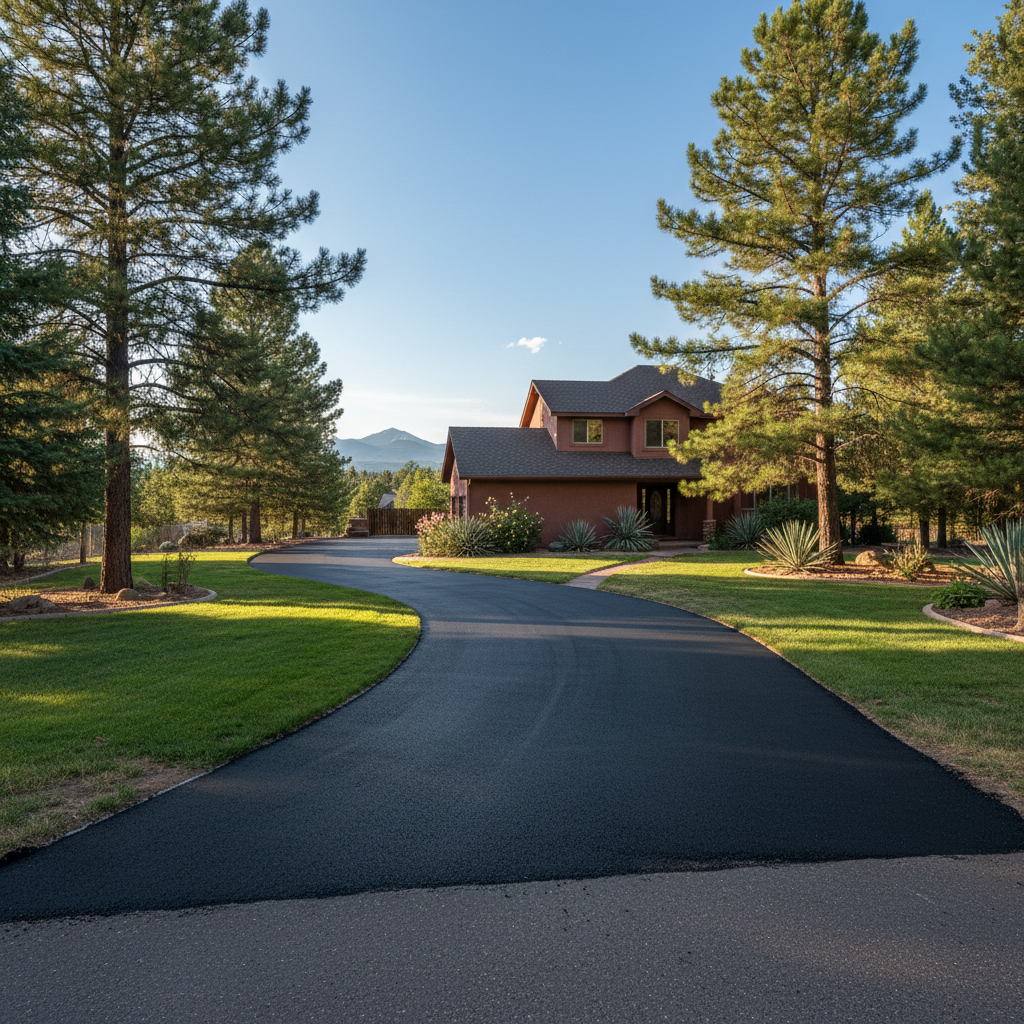
Alright, so you've noticed some cracks, maybe a few potholes, or perhaps your asphalt just isn't looking as sharp as it used to. You're probably thinking it's time for some repairs. Good call, honestly. A little proactive work now can save you a whole lot of headache and money down the road. But where do you even start? It's not like buying a new pair of boots, right? This isn't just about picking a color; it's about getting a solid, long-lasting fix for your property. Let's walk through what you need to know to plan your asphalt repair project right here in Flagstaff.
When Can You Even Do This Work?
First things first: when can this even happen? Asphalt work, especially repairs, really depends on the weather. Here in Flagstaff, that means our prime season generally runs from late spring through early fall. We're talking May, June, July, August, September, and sometimes into October if we get a nice, dry stretch. You really don't want to be doing major asphalt work when it's freezing, or when the ground is totally soaked from a monsoon downpour. The materials just won't cure properly, and you'll be looking at re-doing it sooner than you'd like. So, if you're thinking about repairs, start reaching out to contractors in late winter or early spring to get on their schedule. The good ones book up fast, you know?
Once you've actually got a contractor lined up, the time the repair takes can vary quite a bit. A few potholes or some crack sealing might only take a few hours, maybe a day. More extensive repairs, like patching larger sections or an overlay, could stretch into a couple of days. It also depends on how long the materials need to dry and cure. Your contractor should give you a clear estimate on this.
What Happens When the Crew Shows Up?
So, you've got a date set. What's going to happen when the crew shows up? Well, it usually starts with a good clean-up of the area. They'll sweep, blow, and sometimes even power wash to get rid of dirt, debris, and any loose asphalt. For cracks, they'll often rout them out — that means cutting a clean channel for the sealant. Potholes will get squared off and cleaned out. Then, depending on the repair, they'll apply the new material. This could be hot asphalt mix for patches, or a specialized crack sealant that gets heated and poured. If it's an overlay, they'll probably put down a tack coat first; that helps the new layer bond to the old one.
You'll see heavy equipment – rollers, asphalt pavers for bigger jobs, maybe even a milling machine if they're grinding down sections. It's going to be a bit noisy, and there will be some fumes, especially with hot asphalt. This is all totally normal. The crew will be focused, working efficiently to get the job done right. They'll also set up cones or barriers to keep people and vehicles away from the fresh asphalt. It's hot, sticky stuff, and it needs time to cool and cure before you can drive on it.
Getting Your Property Ready
Before the crew arrives, there are a few things you can do to make the whole process smoother for everyone. Think of it as clearing the deck for action:
- Clear the area: Move your cars, RVs, trailers, basketball hoops, potted plants, kids' toys – anything that's on or near the asphalt surface that needs repair. You don't want anything getting in the way or, worse, getting asphalt on it.
- Trim back vegetation: If you've got bushes or tree branches hanging over the edge of your driveway, give them a trim. This gives the crew room to work and helps keep debris from falling onto the fresh asphalt.
- Mark sprinkler heads: If you have any sprinkler heads or irrigation lines near the edge of the asphalt, mark them clearly with flags or stakes. This helps prevent accidental damage from equipment.
- Talk to your neighbors: If the work might impact their access or create temporary noise, give your neighbors a heads-up. A little courtesy goes a long way.
- Plan for access: You won't be able to drive on the repaired area for a while – usually 24-72 hours, sometimes longer depending on the repair and weather. Plan where you'll park your vehicles during this time.
- Secure pets: Keep your furry friends inside or in a secure area away from the work zone. There will be noise, strange smells, and heavy equipment, which can be stressful or dangerous for pets.
Questions to Ask Before You Sign Anything
Before you commit, you've got to ask the right questions. This isn't just about getting the lowest bid; it's about getting quality work from a reliable contractor. Here's what I'd want to know if I were in your shoes:
- What specific repairs are you proposing, and why? Make sure you understand exactly what they plan to do. Are they just filling cracks, or are they cutting out and replacing sections?
- What materials will you be using? Ask about the type of asphalt mix, crack sealant, or other products. A good contractor like Flagstaff Asphalt Construction will be happy to explain their material choices.
- What's the full scope of work, and what's included in the price? Get a detailed breakdown. Does it include site prep, cleanup, and disposal of old materials? Are there any potential hidden costs?
- How long will the repair take, and how long until I can use the surface? Get clear timelines for both the work itself and the curing period.
- Do you have references from other Flagstaff homeowners? Any reputable contractor should be able to provide these.
- Are you licensed and insured? This is non-negotiable. You want to make sure they're covered in case of an accident or property damage. Ask for proof.
- What kind of warranty or guarantee do you offer on your work? A good contractor stands behind their repairs.
- How do you handle unexpected issues? Sometimes you uncover more problems once you start digging. Ask how they communicate and handle these situations, and how it might affect the cost or timeline.
- What's your payment schedule? Typically, you'll pay a deposit, with the remainder due upon completion. Be wary of contractors asking for a huge upfront payment.
Asking these questions upfront helps set clear expectations and ensures you're working with a professional who knows their stuff. Doing your homework now means you'll end up with a repair that lasts, keeping your Flagstaff property looking good and functioning safely for years to come.