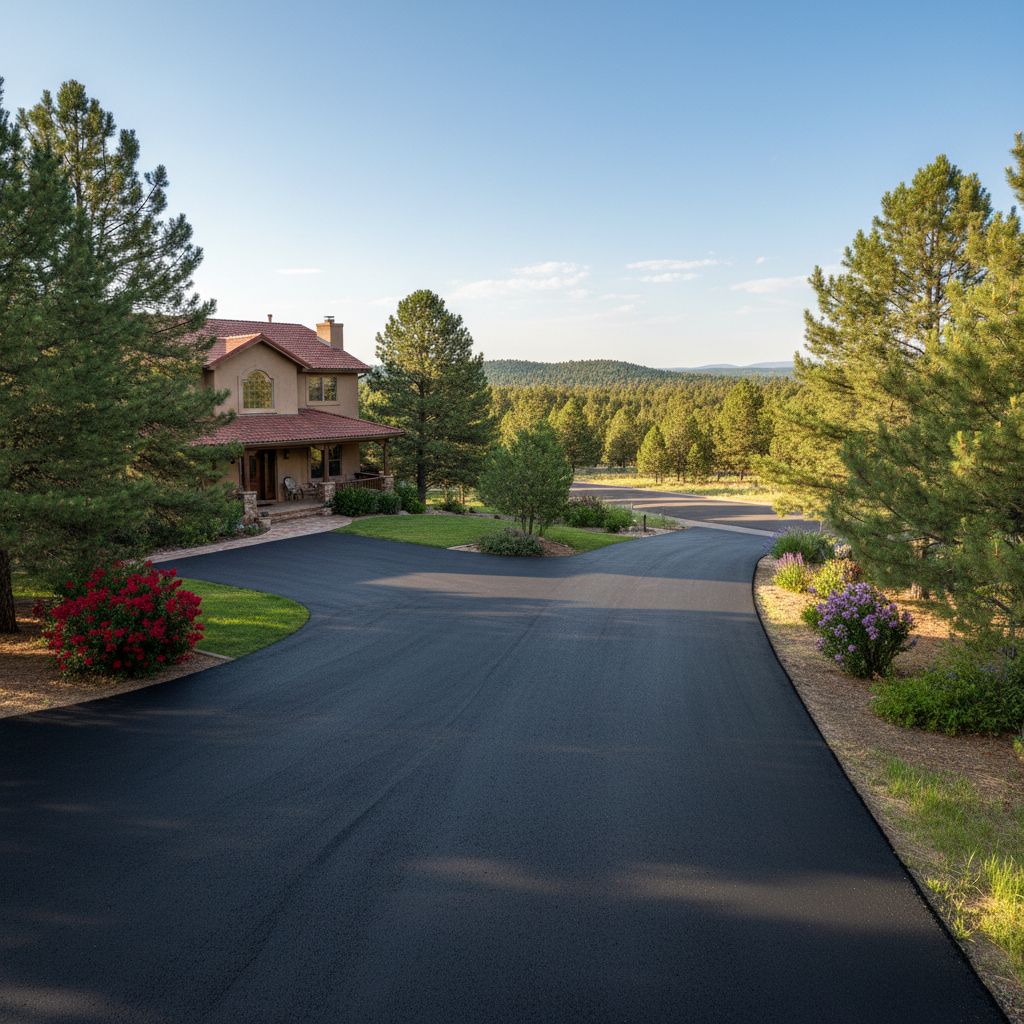
Running a business in Flagstaff means you've got a lot on your plate, and let's be honest, your parking lot or access roads probably aren't top of your daily to-do list. But if you ignore that asphalt, it can really cost you down the line. When we're talking commercial asphalt, especially up here in the high country, timing isn't just a suggestion – it's absolutely critical for getting a job that lasts.
When's the Best Time to Schedule Commercial Asphalt Work?
You might think any time the snow's gone is fine, but that's not really how it works. For most commercial asphalt projects – whether it's putting in something new, a big repair, or even just sealcoating – you're actually looking at a pretty specific window.
- Spring (Late April to Early June): This is often a sweet spot for us. The ground has had plenty of time to thaw out completely, and we're usually past the worst of those late-season snowstorms. Daytime temperatures are consistently warm enough for asphalt to cure right, but it's not yet scorching hot. It's also a good time to get on the schedule before things get too crazy.
- Summer (Mid-June to August): This is prime time for us. Warm, dry weather is just ideal for paving and repairs. The materials stay pliable longer, which means better compaction and a smoother finish. However, you've got to deal with monsoon season. We'll talk more about that in a minute, but a sudden downpour can halt a job fast. If you're thinking summer, plan early, because everyone else is too.
- Early Fall (September to Mid-October): Still a solid option. The days are usually warm, and that intense summer heat has finally backed off. The ground is still warm, which really helps with curing. We're generally past the worst of the monsoons, but you do start to run the risk of early cold snaps or even an unexpected snow shower, especially as you get closer to November.
What you absolutely want to avoid is trying to do major asphalt work when it's too cold. Asphalt needs to be laid and compacted at certain temperatures to get its full strength and durability. Trying to do it when the ground is frozen or the air temperature is consistently below 50 degrees Fahrenheit is, frankly, just asking for trouble down the road.
Weather Conditions That Make or Break a Job
Flagstaff weather is, well, Flagstaff weather. It can change on a dime. Here's what we're constantly watching when we're working on your commercial property:
- Temperature: Like I said, consistent warm temps are key. Too cold, and the asphalt cools too fast, making it hard to compact properly. Too hot, and it can be difficult to work with, sometimes leading to issues like bleeding.
- Moisture: Rain, snow, or even heavy dew can be a no-go. You simply can't pave over wet subgrade or base material. It compromises the foundation and leads to premature failure. If we're sealcoating, it needs dry conditions for both application and curing. A sudden monsoon thunderstorm can delay a job for days while things dry out.
- Wind: High winds, especially in more exposed areas like the Flagstaff Ranch community, can make the asphalt mix cool faster, making it harder to work with. It can also blow debris onto a freshly prepared surface, which nobody wants.
We're always checking the forecast, sometimes hourly, because we want to make sure we're doing the job right the first time. Honestly, we'd rather reschedule than give you a subpar product that won't hold up to our tough winters.
Protecting Your Commercial Asphalt Investment Year-Round
Once you've got that fresh asphalt, you want it to last, right? Especially with the freeze-thaw cycles we experience here, ongoing care isn't something you can skip.
- Regular Inspections: Walk your parking lot a few times a year. Look for small cracks, potholes, or spots where water is pooling. Catching these issues early, when they're minor, saves you a ton of money compared to waiting until they become major headaches.
- Crack Sealing: This is probably the single most important thing you can do. Those small cracks? They let water seep into your base layers. When that water freezes, it expands, causing bigger cracks and eventually potholes. Get them sealed up promptly, especially before winter hits.
- Sealcoating: Every few years, depending on traffic and the type of asphalt, a sealcoat acts like sunscreen and a protective barrier for your asphalt. It prevents oxidation from UV rays, repels water, and gives your lot a fresh, clean look. It's a great way to extend the life of your pavement.
- Proper Drainage: Make sure your drains are clear and water isn't sitting on your asphalt. Standing water is the enemy. It softens the base and accelerates deterioration. This is especially true for properties with flatter lots, where proper grading is critical.
- Prompt Repairs: Don't let a small pothole turn into a crater. As soon as you see damage, get it fixed. The longer you wait, the more expensive and extensive the repair will be.
Look, your commercial property's asphalt is an asset. It's often the first thing customers see, and it impacts safety and accessibility. Here at Flagstaff Asphalt Construction, we've been working with businesses around here for years. We know what our climate does to pavement, and we know how to make it last. If you've got questions about your commercial lot, give us a call. We're happy to take a look and give you an honest assessment.