What exactly is asphalt milling?
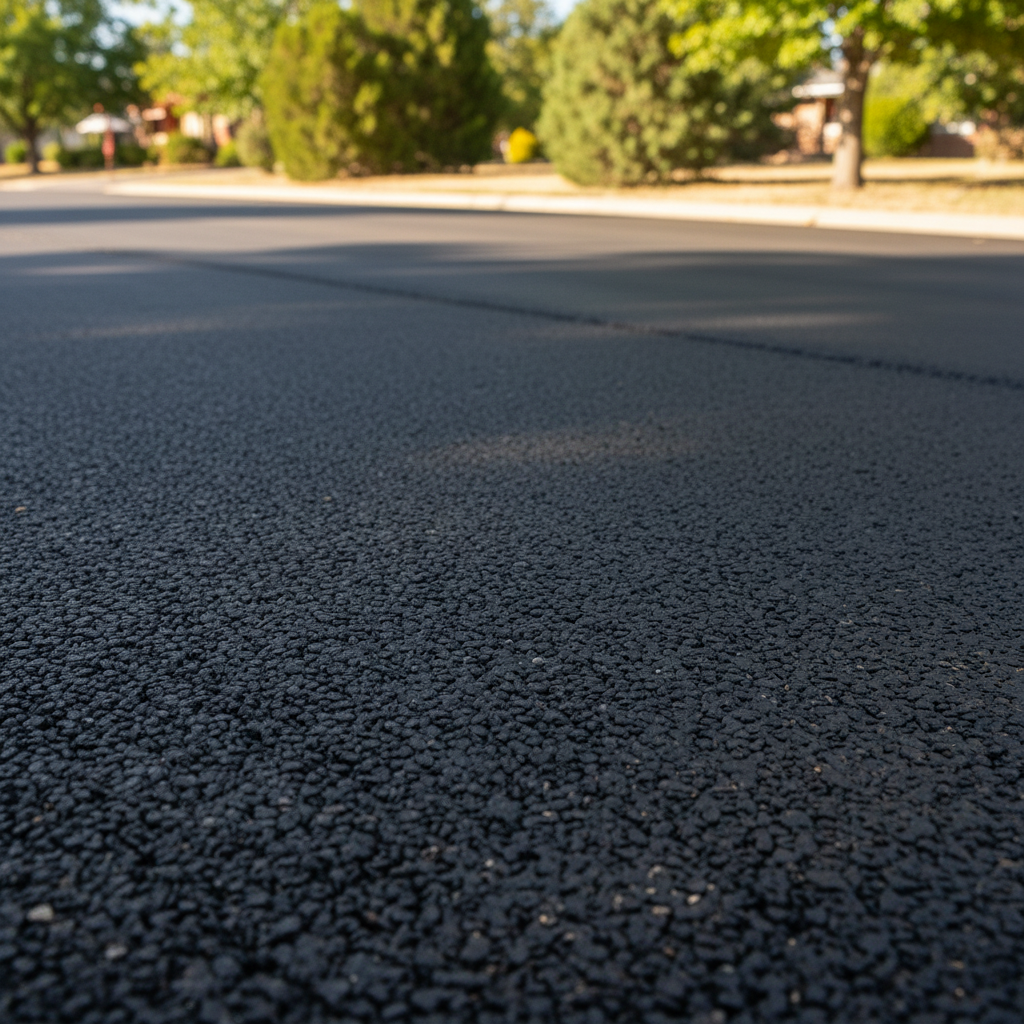
Alright, let's get straight to it. Asphalt milling, sometimes you'll hear it called 'cold planing' or 'profiling,' is basically just grinding off the top layer of an existing asphalt surface. We use a special machine for this, one with a big rotating drum covered in carbide teeth. It chews up that old, worn-out asphalt, leaving behind a rough, textured surface. Think of it like a giant cheese grater for your driveway, really. We're not taking out the whole thing, just the damaged top layer. It's a pretty common process, especially when you're dealing with a surface that's got a lot of cracks, ruts, or just plain old age showing its wear.
Why would I choose milling instead of just repaving or replacing?
That's a smart question, and honestly, it's one I get asked a lot. People usually go with milling for three main reasons: cost, how fast it is, and keeping the same elevation. First off, it's typically cheaper than ripping everything out and starting fresh. That's because you're not hauling away nearly as much material, and you're not rebuilding the entire base. Second, it's quicker. We can mill a surface pretty fast, which means less disruption for you and your routine. And third — this is a big one — it helps keep your existing grades and drainage exactly as they are. If your driveway already slopes correctly and drains well, milling lets us put a new layer down without raising the overall height. That's crucial for things like garage door clearances, sidewalks, and, most importantly, keeping water from pooling where it shouldn't. Plus, the milled material can often be recycled, which is a nice bonus for everyone.
What kind of condition does my asphalt need to be in for milling to be an option?
Good question. Milling isn't some magic fix for every problem out there. It works best when the base underneath is still solid. If you've got a lot of deep, structural cracks, potholes that go all the way through, or spots where the base has completely failed and is sinking, milling probably won't be enough. We're really looking at surface issues here — things like alligator cracking (where it looks like, well, alligator skin), raveling (loose aggregate), minor rutting, or just general surface deterioration. If the problems run deeper, you might need a full-depth repair or even a complete reconstruction. I'll always come out and take a look myself to give you an honest assessment. We've seen plenty of driveways in older Flagstaff neighborhoods, like those up by Buffalo Park, where the base is still surprisingly good. In those cases, milling is often the perfect solution.
How thick of a layer do you typically mill off?
It varies, but usually, we're talking about removing anywhere from 1 to 4 inches of asphalt. The exact depth depends on a few things: how bad the damage is, how thick your existing pavement already is, and what the final plan is for the new surface. If it's just minor surface wear, we might only take off an inch or two. If there's more significant rutting or cracking, we'll go a bit deeper to get past that damaged layer. The goal is always to remove enough of the compromised material so the new asphalt has a clean, stable surface to bond to, without unnecessarily digging into your good base layer.
What happens to the old asphalt that gets milled up?
That's a great part of the whole process! The material we mill up is called Reclaimed Asphalt Pavement, or RAP for short. It's basically crushed-up asphalt aggregate. We load it into trucks right from the milling machine and haul it away. Most of the time, that RAP gets recycled. It can be used as aggregate in new asphalt mixes, or it can become a base material for other construction projects. It's a pretty sustainable practice, really. It cuts down on waste and lessens the need for brand-new materials. So, you're not just fixing your driveway; you're also doing a little something good for the environment.
Will milling make my driveway last longer than just an overlay?
That's a common misunderstanding. While milling *prepares* the surface for a new layer, it's actually the new asphalt overlay that provides the extended life. The key benefit of milling is that it creates a fresh, stable, and level surface for that new overlay to stick to. If you just put an overlay directly on top of severely cracked or rutted asphalt without milling, those underlying issues are likely to show through the new surface pretty quickly. By milling first, you're essentially hitting the reset button on the top layer, which lets the new asphalt perform much better and last longer than it would on a compromised base. So, it's not the milling itself that adds years, but the quality of the new pavement laid on a properly milled surface.
What's the process like when Flagstaff Asphalt Construction does a milling job?
When you hire us for a milling job, here's what you can expect. First, we'll come out and do a thorough inspection of your property. We'll mark out the areas to be milled, paying close attention to things like drainage, utility access, and any specific areas you're worried about. On the day of the job, our crew will show up with the milling machine and all the support equipment. We'll set up, make sure the area is safe, and then get to work. The milling machine will grind off the specified depth of asphalt. As it mills, the machine collects the RAP and loads it into dump trucks. Once the milling is done, we'll clean up the surface, getting rid of any loose debris. What you're left with is a coarse, textured surface that's ready for the new asphalt layer. We handle all the logistics, from equipment to hauling away the old material, making it as smooth as possible for you. We're used to dealing with Flagstaff's sometimes tricky clay soils, so we know how important a good, stable sub-base is, even after milling.
Is milling a noisy or messy process?
You bet it can be a bit noisy, especially when that milling machine is running. It's a powerful piece of equipment, so expect some noise while we're actively grinding. As for mess, we do our best to keep it contained. The milling machine has systems to collect the asphalt debris, and our crew will be on hand to clean up any loose material. There will be some dust, especially on dry, windy days, but we take precautions to minimize it. We're not going to leave your property looking like a war zone, are we? We'll make sure the site is tidy and ready for the next step once we're done with the milling.